Women's pelvic health
Pelvic floor physical therapy for perimenopause and menopause
Falling estrogen changes the pelvic floor, the bladder, and the vaginal tissue. The leaking, urgency, dryness, and heaviness that follow are common after fifty, and they respond to treatment.
- Video visits in seven states
- Usually seen within a week

About the condition
Menopause pelvic health: what is going on.
After menopause, the tissues of the vagina, urethra, and pelvic floor thin and lose elasticity, muscle mass declines, and the bladder becomes more irritable. Many women notice new leaking, urgency, nighttime urination, recurrent urinary tract infections, pain with intimacy, or a heaviness that was not there before. Gynecologists call the tissue changes genitourinary syndrome of menopause; the muscle changes sit alongside them.
Pelvic floor physical therapy addresses the muscle and coordination side and works with the patient's physician, who may recommend local estrogen or other treatment for the tissue side. The combination is more effective than either alone.
Common experiences
What people with menopause pelvic health often describe
These are the patterns Dr. Shalem hears most often. Any of them is a reason to book a discovery call.
New or worsening leaking after fifty
Urgency, frequency, and waking at night
Recurrent urinary tract infections
Vaginal dryness or pain with intimacy
Heaviness or a new prolapse
Loss of strength and confidence with exercise
Treatment
How physical therapy addresses it.
The program includes pelvic floor strengthening and relaxation as needed, bladder retraining, techniques for pain with intimacy, strength training that protects bone and muscle, and guidance on safe return to impact exercise. Dr. Shalem coordinates with the patient's gynecologist or menopause specialist.
What a video visit looks like
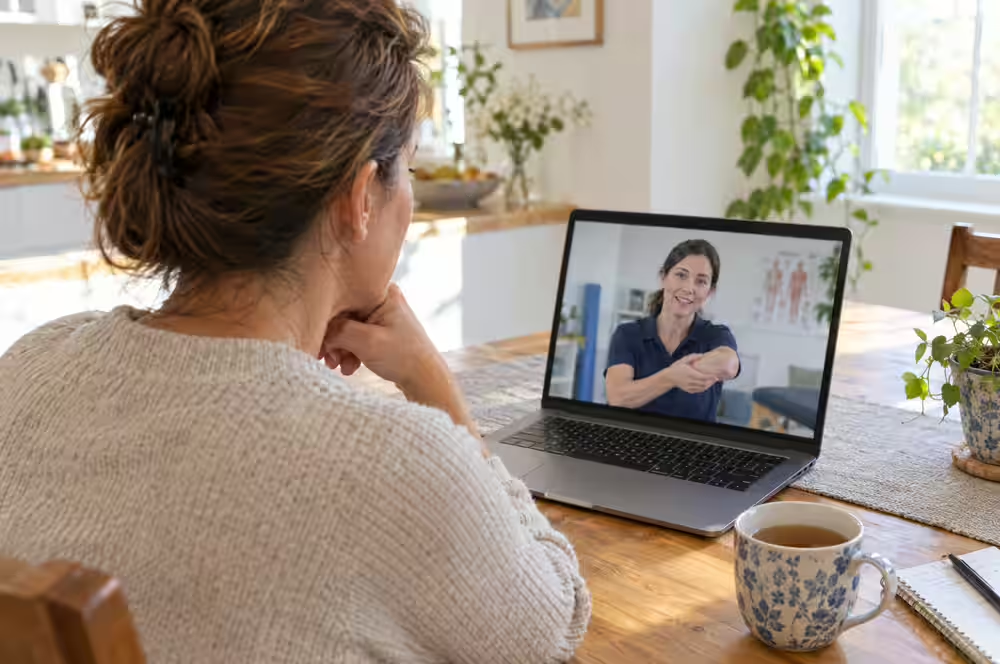
Visits are one-on-one and private, with self-assessment guided on camera. The strength and bladder work is tracked across the plan, and the program is built to continue after discharge.
Where you live
Tell us where you are
Insurance, referral rules, and booking depend on where you live. Choose your area and we take you to the right page.
Not listed? Dr. Shalem can only treat patients located in a state where she holds a license. Send a message and we will tell you what is possible.
Questions
Questions people ask about menopause pelvic health
How it works
How a virtual visit works
Visits are one-on-one and private, with self-assessment guided on camera. The strength and bladder work is tracked across the plan, and the program is built to continue after discharge.
Discovery call
15 minutes, free, by phoneA short call to hear what is going on, explain how visits work, and check insurance or pricing. No pressure to book.
Evaluation
60 minutes, by videoDr. Shalem takes a full history, watches how you move and breathe, and guides the self-assessments she needs to build a plan.
Your plan
Same visitYou leave the evaluation with a plain-language explanation and a short home program, usually a few minutes a day.
Follow-ups
45 minutes, every 1 to 2 weeksProgress checks, program updates, and techniques you can do yourself, for as long as they are useful.
For a video visit you will need
- A phone, tablet, or laptop with a camera
- A private room
- A mat or towel
- About an hour
Questions
Menopause pelvic health questions
Is it too late to start pelvic floor training after menopause?
No. Pelvic floor muscle training improves leaking and prolapse symptoms at every age, and strength training in the sixties and seventies has well-documented benefits.
Should I use vaginal estrogen?
That is a decision for the patient and her physician. Many women do both, and physical therapy works well alongside it.
Can physical therapy help with recurrent UTIs?
An overactive pelvic floor and incomplete bladder emptying contribute to recurrent infections in some women, and treating those reduces the risk. Medical management continues with the patient's physician.
Where do you see patients?
By video, to patients located in a state where Dr. Shalem is licensed. Choose your area on this page for the insurance and referral rules that apply to you.
Your physical therapist
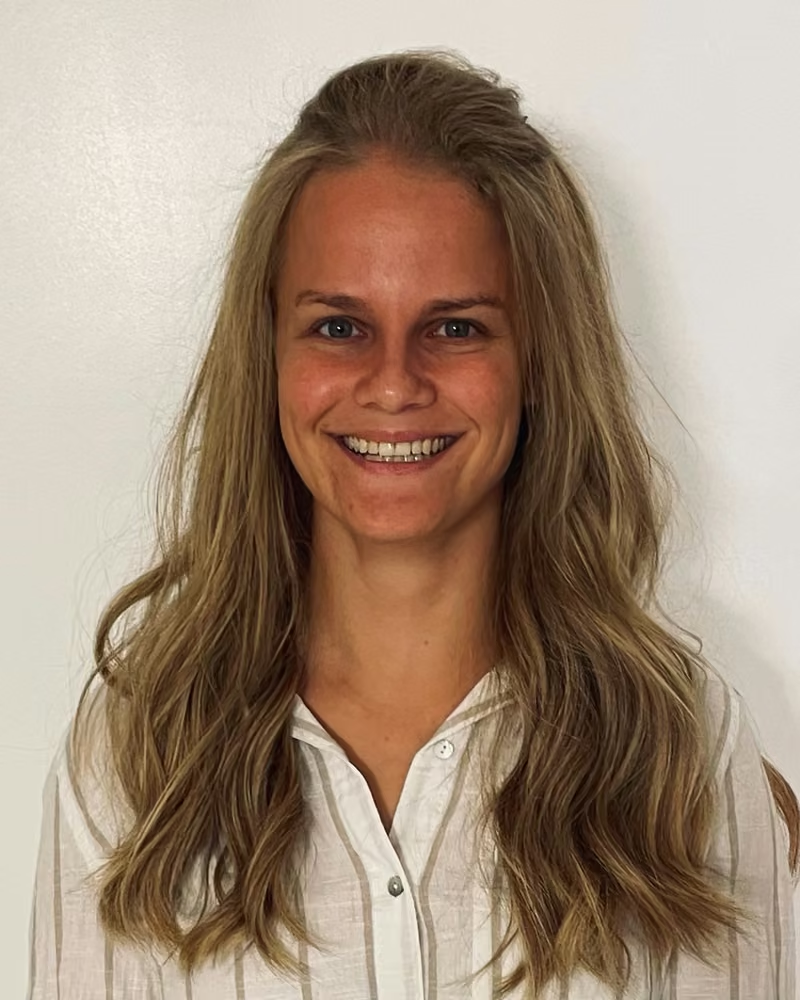
Dr. Elana Shalem, DPT
Doctor of Physical Therapy, University of St. Augustine for Health Sciences, Miami. Licensed physical therapist.
Dr. Shalem treats pelvic health for women and men, from pregnancy and postpartum recovery to bladder, bowel, and pelvic pain conditions and recovery after prostate or pelvic surgery, and general orthopedic conditions of the back, neck, hips, knees, shoulders, and feet. Visits are one-on-one and unhurried, and she explains what she is seeing in plain language.
More about Dr. ShalemPrefer to write? Send a message.
Questions about insurance, pricing, or whether physical therapy is the right next step? We reply within one business day.
Start with a free 15-minute call.
Tell us what is going on, hear how Dr. Shalem would approach it, and decide from there.