Women's pelvic health · Central, Southern and Eastern Oregon
Pelvic floor physical therapy for constipation and bowel control in Central, Southern and Eastern Oregon
Chronic constipation and straining are often a muscle coordination problem, not a fiber problem. When the pelvic floor tightens instead of relaxing during a bowel movement, no amount of laxative fixes it. Pelvic floor physical therapy is the recommended treatment for that pattern.
- Private pay with superbills for out-of-network reimbursement
- No referral needed (unrestricted direct access)
- Video visits anywhere in Central, Southern and Eastern Oregon

About the condition
Constipation and bowel dysfunction: what is going on.
Many people with chronic constipation have what gastroenterologists call dyssynergic defecation: the pelvic floor and anal sphincter contract when they should relax. The result is straining, incomplete emptying, long bathroom visits, and over time hemorrhoids, fissures, and prolapse. Others have the opposite problem, leaking stool or gas, often after childbirth injury or surgery.
Physical therapy retrains that coordination, which is why gastroenterology guidelines recommend pelvic floor therapy and biofeedback as first-line treatment for dyssynergia, ahead of more medication.
Common experiences
What people with constipation and bowel dysfunction often describe
These are the patterns Dr. Shalem hears most often. Any of them is a reason to book a discovery call.
Straining or long bathroom visits
A feeling of incomplete emptying
Needing to press on the perineum or vagina to empty
Constipation that laxatives do not resolve
Leaking stool or gas, or urgency to the bathroom
Hemorrhoids or fissures from straining
Treatment
How physical therapy addresses it.
The program teaches the mechanics of emptying, positioning on the toilet, breathing that relaxes the pelvic floor instead of bracing, and a schedule that works with the body's natural timing. For bowel leakage, the focus shifts to sphincter coordination and strength and to urge control. Diet and fluid adjustments are part of the plan.
What a video visit looks like
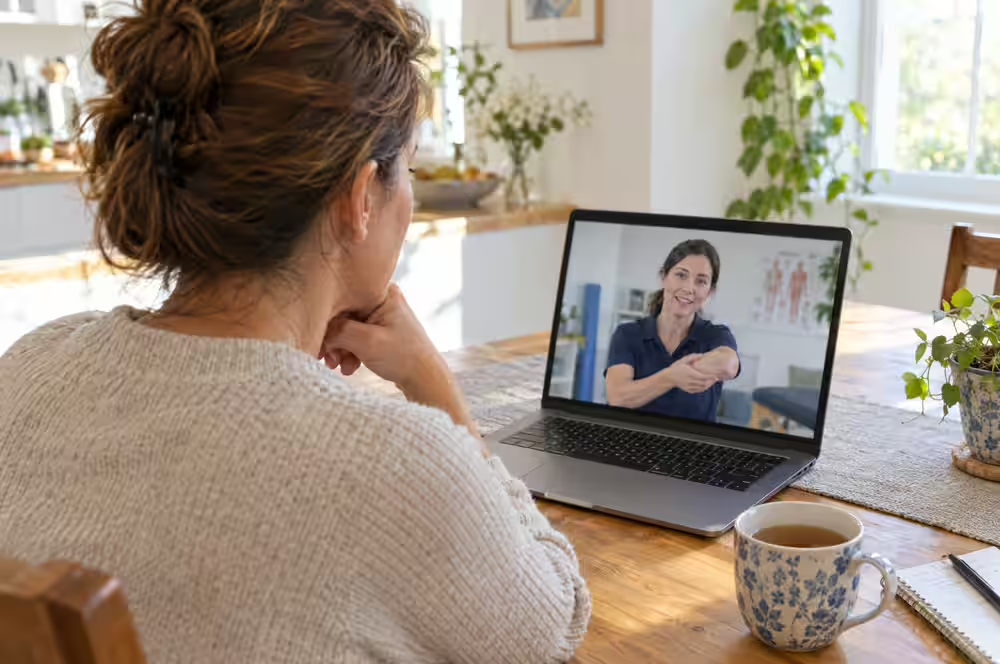
Bowel retraining is education and practice, and all of it is done by video. Dr. Shalem guides the self-assessment on camera and uses a simple bowel diary to track changes.
Coverage in Oregon
Insurance and pricing
Bring your plan name to the discovery call and we confirm your physical therapy benefit before the first visit.
Private pay
Visits in Oregon are private pay. We provide a superbill you can submit to your insurer for out-of-network reimbursement. HSA and FSA cards accepted. Rates are quoted on the free discovery call.
Referrals
Oregon allows you to see a physical therapist for evaluation and treatment without a physician referral, with no visit limit. Some insurance plans still ask for one, and we check that for you.
Central Oregon, the Rogue Valley, the Columbia Gorge, and all of Eastern Oregon are seen by video.
Questions
Questions people ask about constipation and bowel dysfunction
How it works
How a virtual visit works
Bowel retraining is education and practice, and all of it is done by video. Dr. Shalem guides the self-assessment on camera and uses a simple bowel diary to track changes.
Discovery call
15 minutes, free, by phoneA short call to hear what is going on, explain how visits work, and check insurance or pricing. No pressure to book.
Evaluation
60 minutes, by videoDr. Shalem takes a full history, watches how you move and breathe, and guides the self-assessments she needs to build a plan.
Your plan
Same visitYou leave the evaluation with a plain-language explanation and a short home program, usually a few minutes a day.
Follow-ups
45 minutes, every 1 to 2 weeksProgress checks, program updates, and techniques you can do yourself, for as long as they are useful.
For a video visit you will need
- A phone, tablet, or laptop with a camera
- A private room
- A mat or towel
- About an hour
Questions
Constipation and bowel dysfunction questions in Central, Southern and Eastern Oregon
How is this different from what a gastroenterologist does?
A gastroenterologist rules out other causes and manages medication. Physical therapy treats the muscle coordination problem that medication cannot. The two work together, and we coordinate with the patient's physician.
Is this embarrassing to do by video?
Most patients find video less awkward than a clinic. Visits are private, one-on-one, and nothing is shown on camera that the patient does not choose to show.
Can children or teens be treated?
EMS Therapy treats adults. For pediatric bowel dysfunction, a pediatric pelvic floor therapist is the right referral.
Do I need a referral for physical therapy in Oregon?
Oregon allows you to see a physical therapist for evaluation and treatment without a physician referral, with no visit limit. Some insurance plans still ask for one, and we check that for you.
What insurance do you take in Oregon?
Private pay: Visits in Oregon are private pay. We provide a superbill you can submit to your insurer for out-of-network reimbursement. HSA and FSA cards accepted. Rates are quoted on the free discovery call.
Your physical therapist
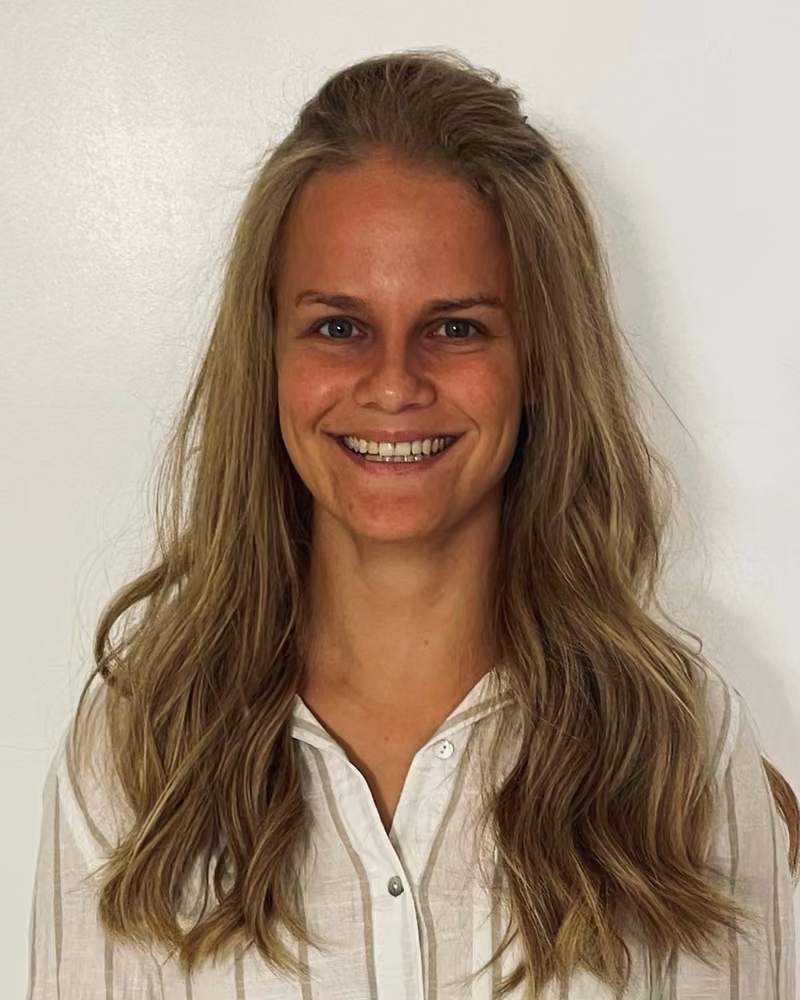
Dr. Elana Shalem, DPT
Doctor of Physical Therapy, University of St. Augustine for Health Sciences, Miami. Licensed in Oregon.
Dr. Shalem treats pelvic health for women and men, from pregnancy and postpartum recovery to bladder, bowel, and pelvic pain conditions and recovery after prostate or pelvic surgery, and general orthopedic conditions of the back, neck, hips, knees, shoulders, and feet. Visits are one-on-one and unhurried, and she explains what she is seeing in plain language.
More about Dr. ShalemPrefer to write? Send a message.
Questions about insurance, pricing, or whether physical therapy is the right next step? We reply within one business day.
Start with a free 15-minute call.
Tell us what is going on, hear how Dr. Shalem would approach it, and decide from there.