Women's pelvic health · South Florida
Cesarean (C-section) recovery physical therapy in South Florida
A cesarean is major abdominal surgery, and most women are sent home with no rehab plan at all. Scar care, core retraining, and pelvic floor work make the difference between recovering and just getting by.
- Aetna and Medicare in-network; private pay with superbills for other plans
- No referral needed to start (30-day direct access)
- Video visits anywhere in South Florida
About the condition
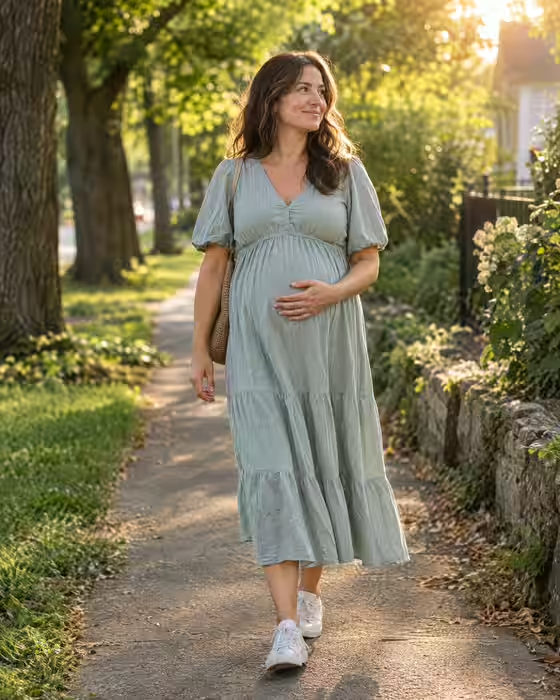
C-section recovery: what is going on.
A cesarean cuts through skin, fascia, and the uterus, and the scar that forms can bind to the layers underneath. Months later, many women notice a numb or tight shelf above the scar, a pulling sensation with reaching or stretching, pain with intimacy, or a core that never switched back on. Because the pelvic floor carried the pregnancy, leaking, heaviness, and urgency are common after cesarean birth too.
Physical therapy after a cesarean treats the scar and the abdominal wall together and addresses the pelvic floor, which is often overlooked in women who did not deliver vaginally.
Common experiences
What people with c-section recovery often describe
These are the patterns Dr. Shalem hears most often. Any of them is a reason to book a discovery call.
Numbness, tightness, or a shelf of tissue around the scar
Pulling or pain at the scar with reaching, twisting, or intimacy
Difficulty activating the lower abdomen
Low back or hip pain with carrying the baby
Leaking or heaviness despite a cesarean delivery
Treatment
How physical therapy addresses it.
Once the incision is healed, the program includes scar mobilization the patient learns to do herself, breathing and deep core retraining, pelvic floor coordination, and a staged return to lifting, walking, and exercise. Body mechanics for feeding, carrying, and getting up from the floor are covered early, when they matter most.
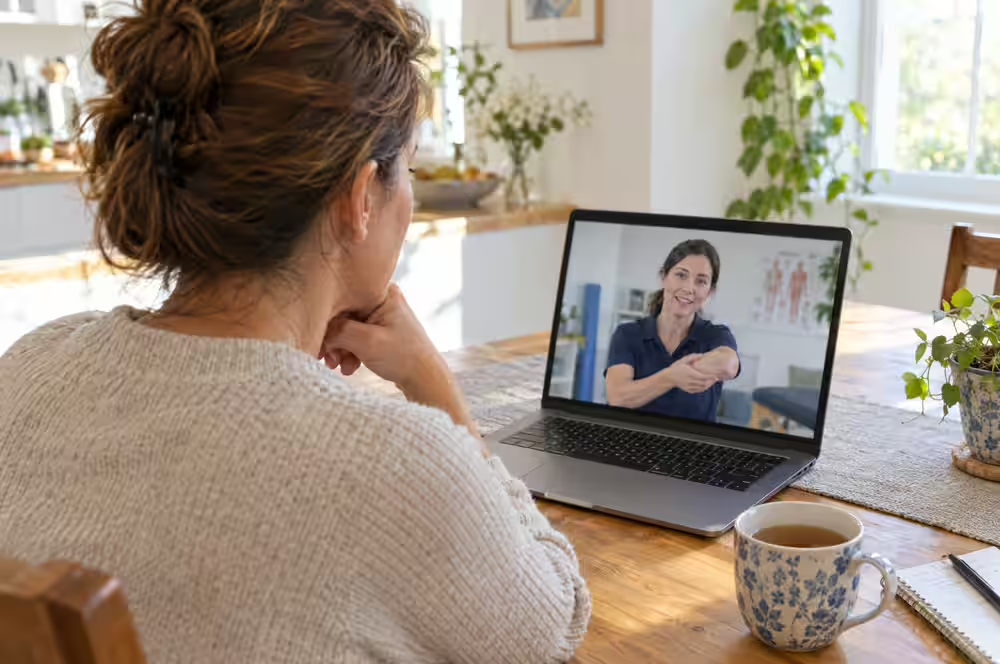
What a video visit looks like
Scar work is taught on camera and done by the patient between visits. Dr. Shalem checks the abdominal wall and progression at each visit and adapts the plan as the baby grows.
Coverage in Florida
Insurance and pricing
Bring your plan name to the discovery call and we confirm your physical therapy benefit before the first visit.
Aetna
In-network (Aetna designated provider). Most Aetna plans cover physical therapy with a copay or coinsurance; we confirm yours before the first visit.
Medicare
In-network with traditional Medicare. Medicare Advantage plans vary; ask on the discovery call.
Private pay
Available for any other plan. We provide a superbill you can submit for out-of-network reimbursement. HSA and FSA cards accepted.
Referrals
Florida allows you to start physical therapy without a referral. If care continues past 30 days for a condition no physician has seen you for, we help you get a quick practitioner review so treatment can continue.
In-home visits are available throughout Miami-Dade County with no travel fee. Broward, Palm Beach, Monroe, and everywhere else in South Florida are seen by video.
How it works
How a virtual visit works
Scar work is taught on camera and done by the patient between visits. Dr. Shalem checks the abdominal wall and progression at each visit and adapts the plan as the baby grows.
Discovery call
15 minutes, free, by phoneA short call to hear what is going on, explain how visits work, and check insurance or pricing. No pressure to book.
Evaluation
60 minutes, by videoDr. Shalem takes a full history, watches how you move and breathe, and guides the self-assessments she needs to build a plan.
Your plan
Same visitYou leave the evaluation with a plain-language explanation and a short home program, usually a few minutes a day.
Follow-ups
45 minutes, every 1 to 2 weeksProgress checks, program updates, and techniques you can do yourself, for as long as they are useful.
For a video visit you will need
- A phone, tablet, or laptop with a camera
- A private room
- A mat or towel
- About an hour
Questions
C-section recovery questions in South Florida
When can scar work start?
Gentle work around the scar can begin once the incision is fully closed and the obstetric provider has cleared it, usually around six weeks. Direct scar mobilization is added as the tissue tolerates it.
I had a cesarean years ago. Can the scar still be treated?
Yes. Scar tissue responds to mobilization at any age, and many women first address a cesarean scar years later.
Why would I need pelvic floor therapy after a C-section?
Pregnancy itself loads the pelvic floor for nine months. Cesarean birth does not undo that, and leaking, heaviness, and urgency are common after cesarean delivery.
Do I need a referral for physical therapy in Florida?
Florida allows you to start physical therapy without a referral. If care continues past 30 days for a condition no physician has seen you for, we help you get a quick practitioner review so treatment can continue.
What insurance do you take in Florida?
Aetna: In-network (Aetna designated provider). Most Aetna plans cover physical therapy with a copay or coinsurance; we confirm yours before the first visit. Medicare: In-network with traditional Medicare. Medicare Advantage plans vary; ask on the discovery call. Private pay: Available for any other plan. We provide a superbill you can submit for out-of-network reimbursement. HSA and FSA cards accepted.
Your physical therapist
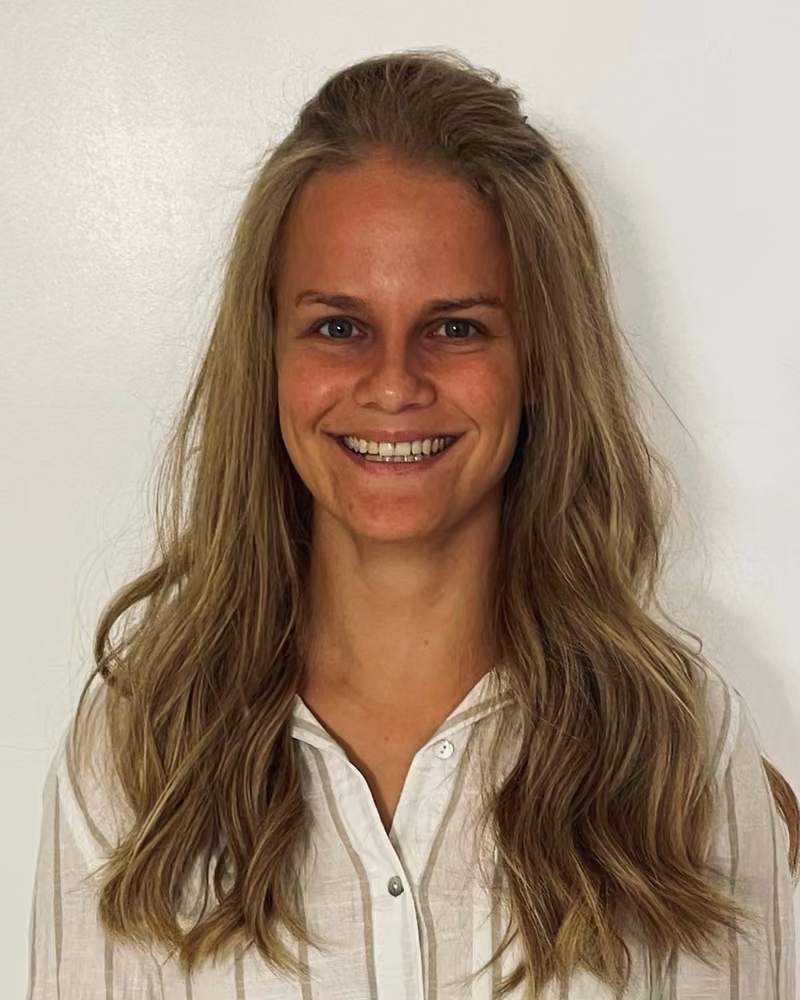
Dr. Elana Shalem, DPT
Doctor of Physical Therapy, University of St. Augustine for Health Sciences, Miami. Licensed in Florida.
Dr. Shalem treats pelvic health for women and men, from pregnancy and postpartum recovery to bladder, bowel, and pelvic pain conditions and recovery after prostate or pelvic surgery, and general orthopedic conditions of the back, neck, hips, knees, shoulders, and feet. Visits are one-on-one and unhurried, and she explains what she is seeing in plain language.
More about Dr. ShalemPrefer to write? Send a message.
Questions about insurance, pricing, or whether physical therapy is the right next step? We reply within one business day.
Start with a free 15-minute call.
Tell us what is going on, hear how Dr. Shalem would approach it, and decide from there.