Orthopedic
Do I need surgery for a rotator cuff tear?
Often not. For degenerative rotator cuff tears and impingement, randomized trials show structured exercise matches surgery for pain and function. Surgery is more likely to be recommended for a full-thickness tear after an injury in a younger person, or when a full course of physical therapy has not helped.
The details
What to know
Answered by the practice of Dr. Elana Shalem, DPT, pelvic floor and orthopedic physical therapist.
The shoulder depends on the rotator cuff and shoulder blade muscles to keep the joint centered. When those are weak, fatigued, or poorly timed, tendons get pinched and irritated: pain reaching overhead or behind the back, and pain lying on that side. Partial tears are common with age and often painless.
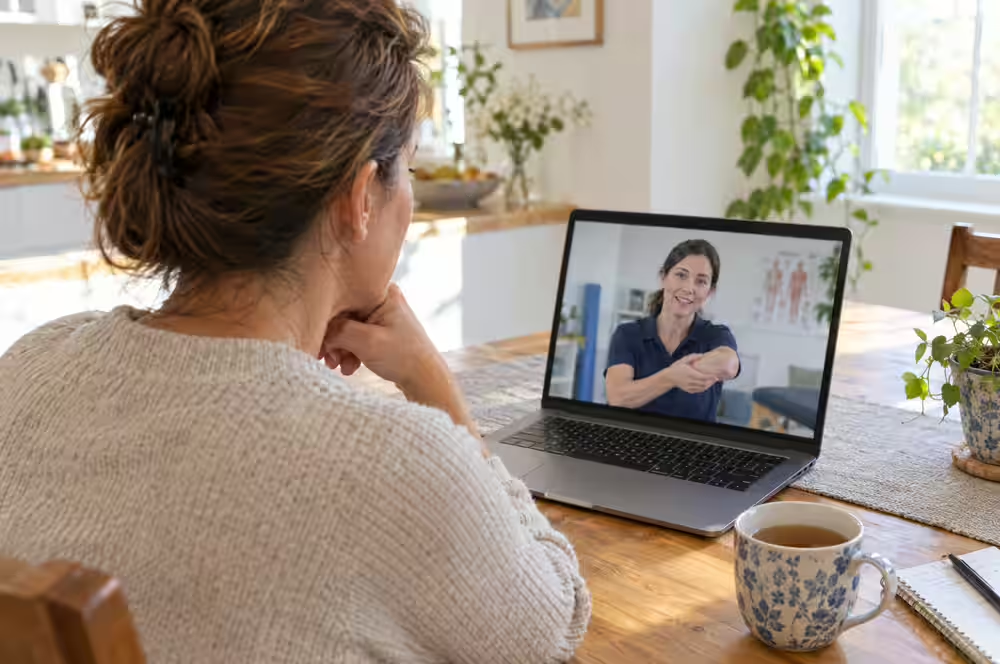
Physical therapy restores shoulder blade control, strengthens the rotator cuff with progressive loading, restores mobility, and progresses to overhead work and sport. A resistance band, a doorway, and a light weight cover most programs, and the evaluation and coaching are done over video.
Frozen shoulder is a different condition with its own long course; guided mobility and loading shorten it.
Where you live
Tell us where you are
Insurance, referral rules, and booking depend on where you live. Choose your area and we take you to the right page.
Not listed? Dr. Shalem can only treat patients located in a state where she holds a license. Send a message and we will tell you what is possible.
How it works
How a virtual visit works
Most of pelvic floor physical therapy is education, breathing and pressure management, movement retraining, and a home program. All of it works on camera. During the evaluation, Dr. Shalem guides a self-assessment so she can see how the pelvic floor is coordinating with breath and movement. An internal examination is not possible by video; if a hands-on assessment would change the plan, she says so and helps the patient find local care.
Discovery call
15 minutes, free, by phoneA short call to hear what is going on, explain how visits work, and check insurance or pricing. No pressure to book.
Evaluation
60 minutes, by videoDr. Shalem takes a full history, watches how you move and breathe, and guides the self-assessments she needs to build a plan.
Your plan
Same visitYou leave the evaluation with a plain-language explanation and a short home program, usually a few minutes a day.
Follow-ups
45 minutes, every 1 to 2 weeksProgress checks, program updates, and techniques you can do yourself, for as long as they are useful.
For a video visit you will need
- A phone, tablet, or laptop with a camera
- A private room
- A mat or towel
- About an hour
Your physical therapist
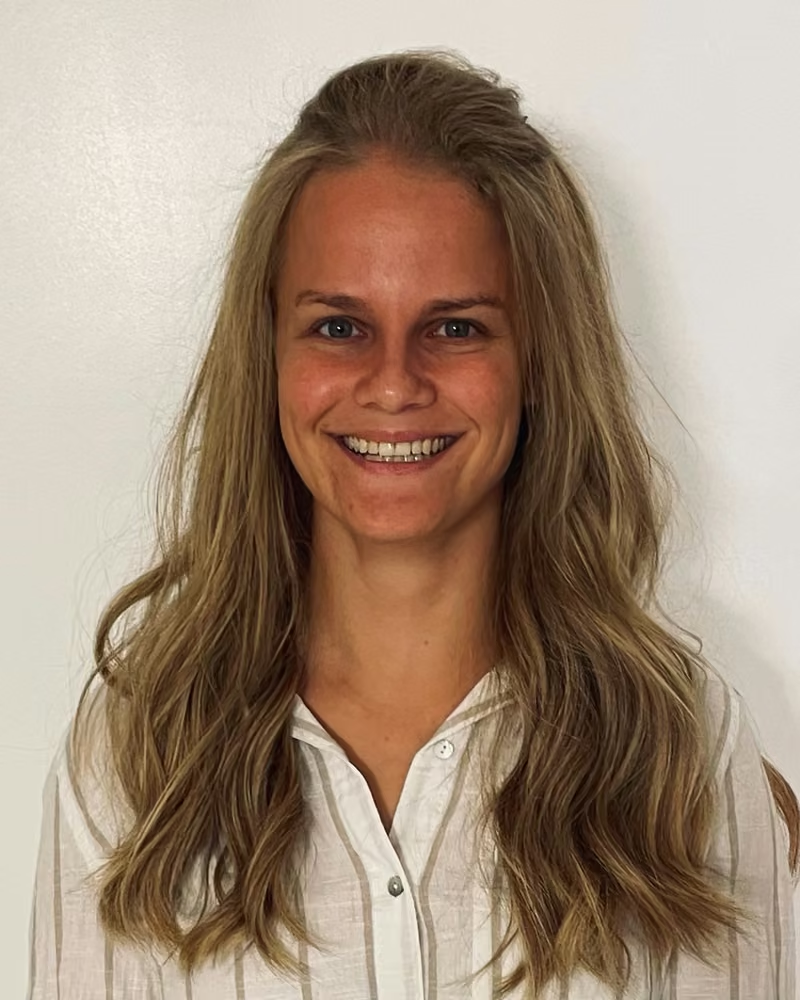
Dr. Elana Shalem, DPT
Doctor of Physical Therapy, University of St. Augustine for Health Sciences, Miami. Licensed physical therapist.
Dr. Shalem treats pelvic health for women and men, from pregnancy and postpartum recovery to bladder, bowel, and pelvic pain conditions and recovery after prostate or pelvic surgery, and general orthopedic conditions of the back, neck, hips, knees, shoulders, and feet. Visits are one-on-one and unhurried, and she explains what she is seeing in plain language.
More about Dr. ShalemPrefer to write? Send a message.
Questions about insurance, pricing, or whether physical therapy is the right next step? We reply within one business day.
Start with a free 15-minute call.
Tell us what is going on, hear how Dr. Shalem would approach it, and decide from there.